

Asset Utilization Monitoring
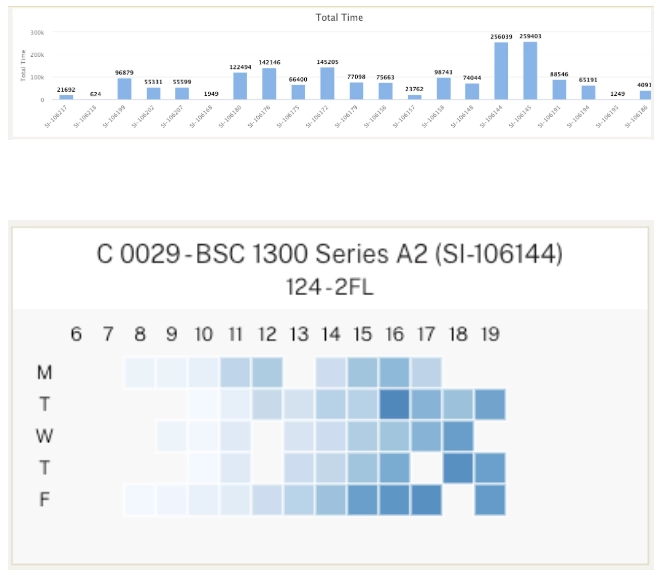
Service Insight's Asset Utilization Monitoring delivers real-world sensor data that reveals how equipment is actually used. Lab teams can make better, data-driven decisions about maintenance schedules, capital investments, space design, and operational efficiency. Making business case for needed equipment and assets becomes straightforward


Features

Track usage patterns to align maintenance schedules with real operational demand.

Monitor utilization across lab equipment using flexible sensor options for diverse environments.

Capture utilization through multiple sensing methods to understand how assets are actually used.

Operate sensors for years on a single battery with minimal maintenance and no frequent replacements.

Deploy sensors in minutes with wireless setup and no disruption to equipment or operations.

Continuously assess asset health using telemetry and operational data to identify risks early.
Key Benefits
Contract Optimization
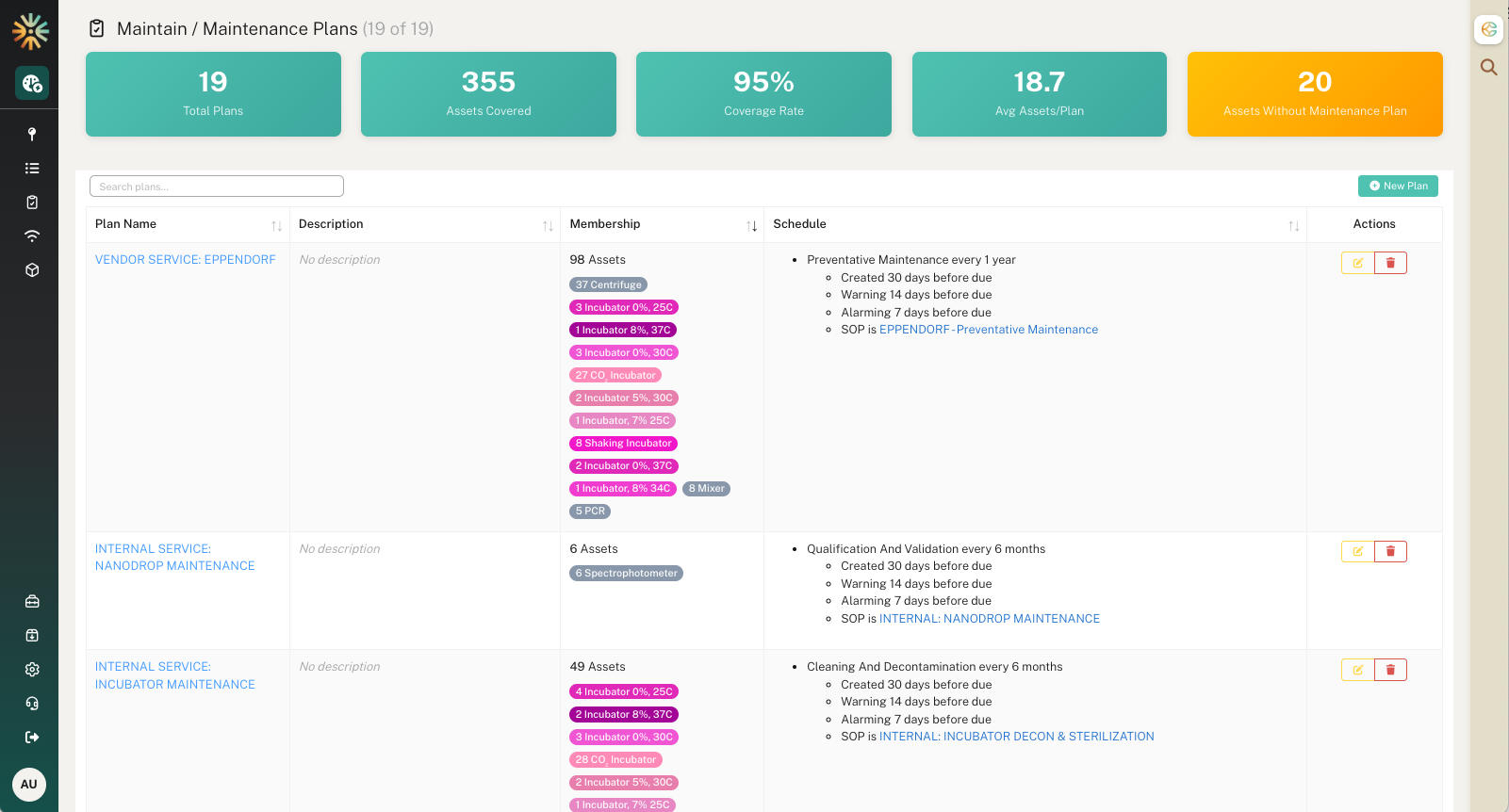
Align service schedules with actual equipment usage to reduce unnecessary maintenance and improve reliability.

Capital & Space Investment Proof
Use real utilization data to justify equipment investments, consolidation, and space planning decisions.
Operational Efficiency
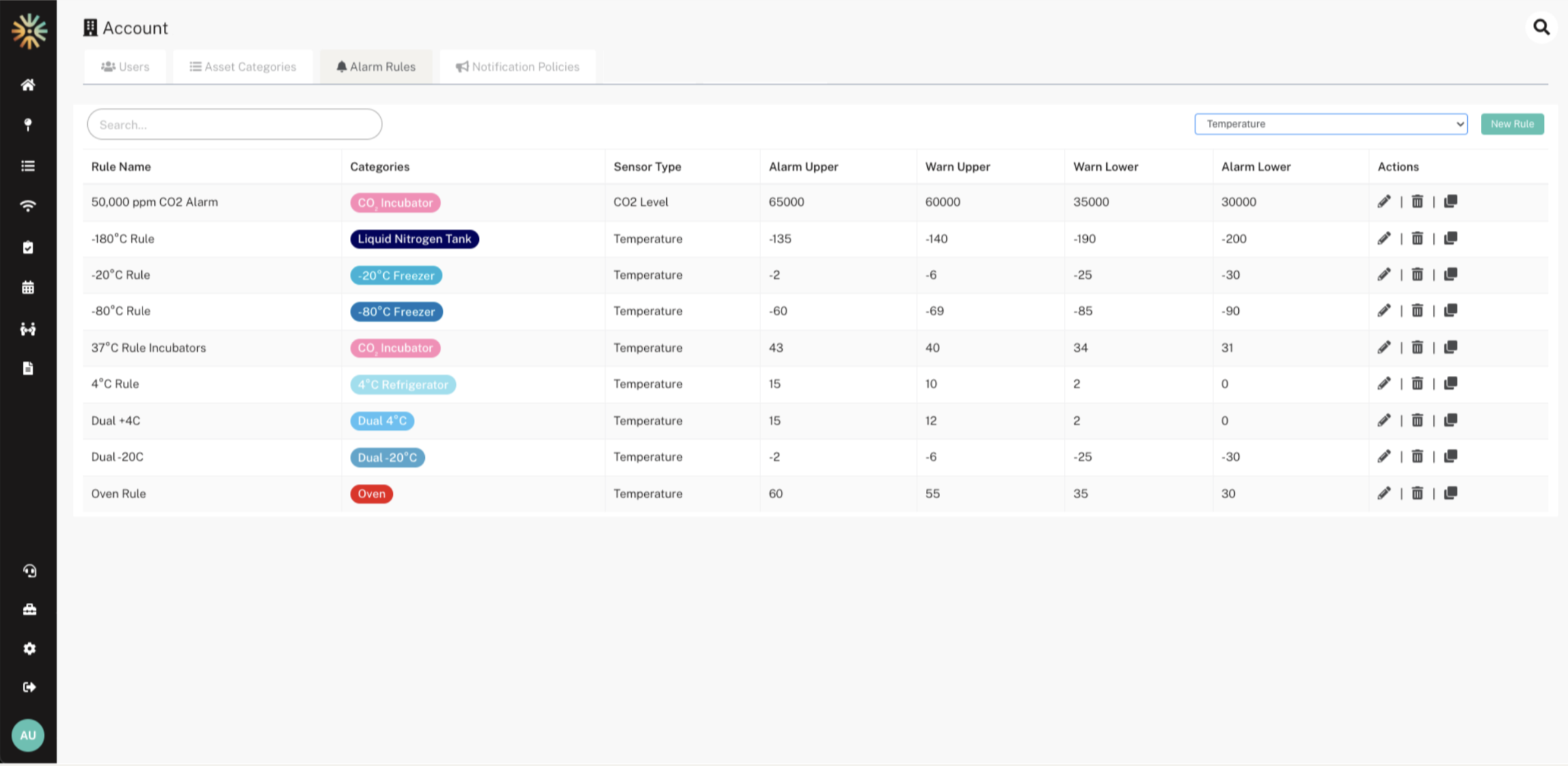
Identify bottlenecks in equipment usage to improve scheduling, reduce wait times, and increase lab throughput.
Works well with



FAQ.
Service Insight deploys connected sensors on laboratory equipment to track utilization through three complementary methods: door-based monitoring (measuring opening frequency and duration for cold storage and incubators), occupancy-based tracking (percentage of working day shared equipment is actively in use), and power-based monitoring (determining active operation versus idle modes).
Instead of applying fixed maintenance schedules based on manufacturer recommendations, align maintenance cadence to actual equipment usage. Equipment used 20+ hours per week requires a different maintenance frequency than equipment used 5 hours per week. Utilize monitoring reveals this variance, allowing you to optimize service schedules and negotiate service contracts based on demonstrated demand.
Most equipment investment proposals rely on anecdotal evidence—"the biosafety cabinet is always in use" or "people keep waiting on that instrument." Utilization monitoring quantifies these operational needs with real data: equipment occupancy percentages, usage intensity patterns, and capacity constraints. Show that a shared biosafety cabinet runs at 95% occupancy to justify purchasing a second one.

Align service schedules with actual equipment usage to reduce unnecessary maintenance and improve reliability.
Use real utilization data to justify equipment investments, consolidation, and space planning decisions.
Identify bottlenecks in equipment usage to improve scheduling, reduce wait times, and increase lab throughput.
Ready to get started?
Get instant access to modern lab operations software. Fill out the form and we’ll send your account details to your work email as soon as your environment is ready.
Not quite ready? Book a demo and I'll show you how Service Insight outperforms on cost, reliability, and lab coverage.

Anthony Uzzo
Founder & CEO, Service Insight